

Tooth extraction is the removal of a tooth from its socket in the jawbone. It is done when a tooth is badly decayed, infected, fractured, or impacted. Dentists use local anaesthesia to make the procedure painless.
Types:
Simple (closed) extraction: For a visible, easily accessible tooth. The dentist loosens it with elevators and removes it using forceps. No gum incision is needed.
Surgical (open) extraction: For impacted, broken, or awkwardly placed teeth, such as wisdom teeth. It involves cutting the gum, sometimes removing bone, and placing sutures.
Extraction prevents infection spread and relieves pain. Replacement options include implants, bridges, or dentures.
Good oral hygiene means daily care to keep teeth, gums, and mouth healthy. It prevents cavities, gum disease, bad breath, and tooth loss. Key practices include proper brushing, interdental cleaning, a healthy diet, and regular dental check-ups.
Brush twice daily with fluoride toothpaste for two minutes.
Floss or use an interdental brush daily.
Clean the tongue gently.
Use mouthwash if advised by a dentist.
Limit sugary and sticky foods; eat calcium-rich foods.
Avoid tobacco, betel nut, and alcohol.
Visit a dentist every six months.
Replace your toothbrush every three months.
Mandibular impacted third molar (wisdom tooth) extraction is often most painful. It lies deep in bone near nerves. Surgery involves cutting gums, removing bone, and sectioning the tooth. This causes greater trauma, swelling, and post-operative pain than simple extractions.
RCT saves the natural tooth, preserving chewing and appearance. Extraction removes it, risking bone loss. RCT is better when the tooth is restorable; extraction only when severely damaged.
Anterior teeth (incisors and canines) with single, straight roots are easiest to extract. They are easily accessible and firmly held, requiring only simple forceps extraction.
By day 7, the socket is filled with granulation tissue, gums heal, and swelling or pain reduces. Stitches, if any, are removed.
The best age is 17–25 years, when wisdom tooth roots are not fully formed. Extraction is easier, healing is faster, and complications like nerve damage or infection are fewer.
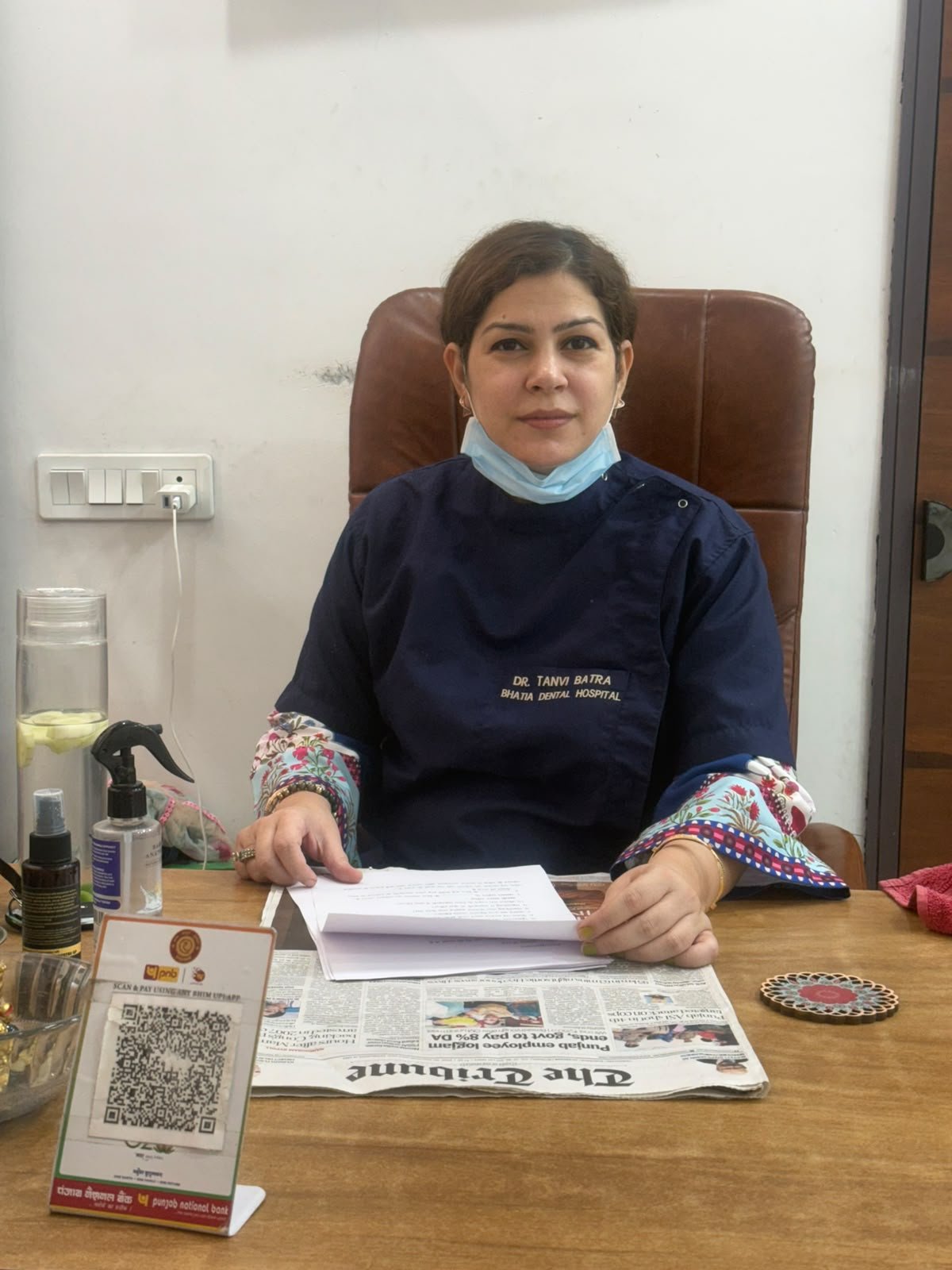
Cosmetic Dentistry
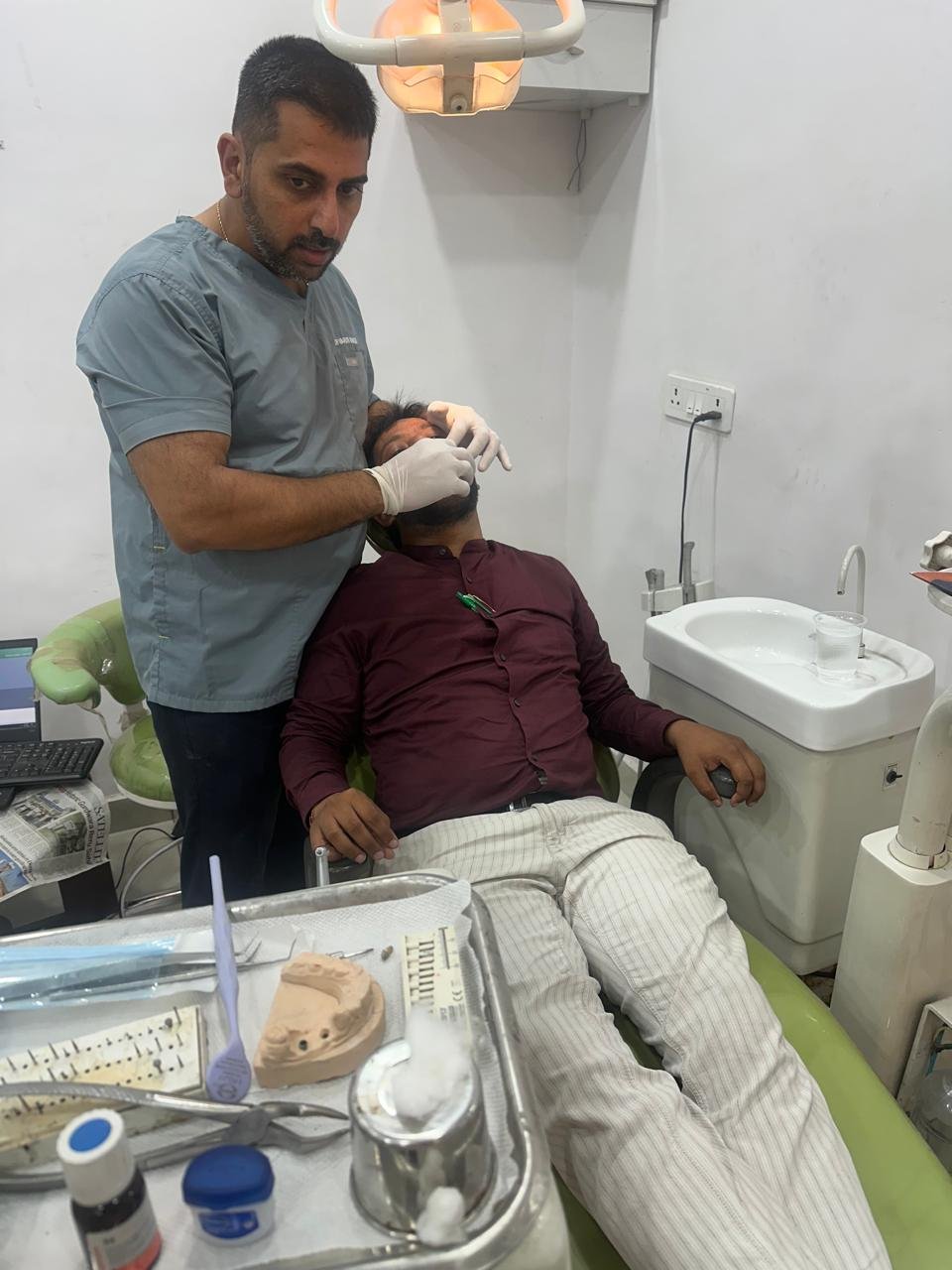
Preventive Dentistry
We understand just how closely connected oral health is to your overall health, confidence, and appearance, and we pride ourselves on cultivating a friendly, upbeat dental environment where you can always feel comfortable in our care.