
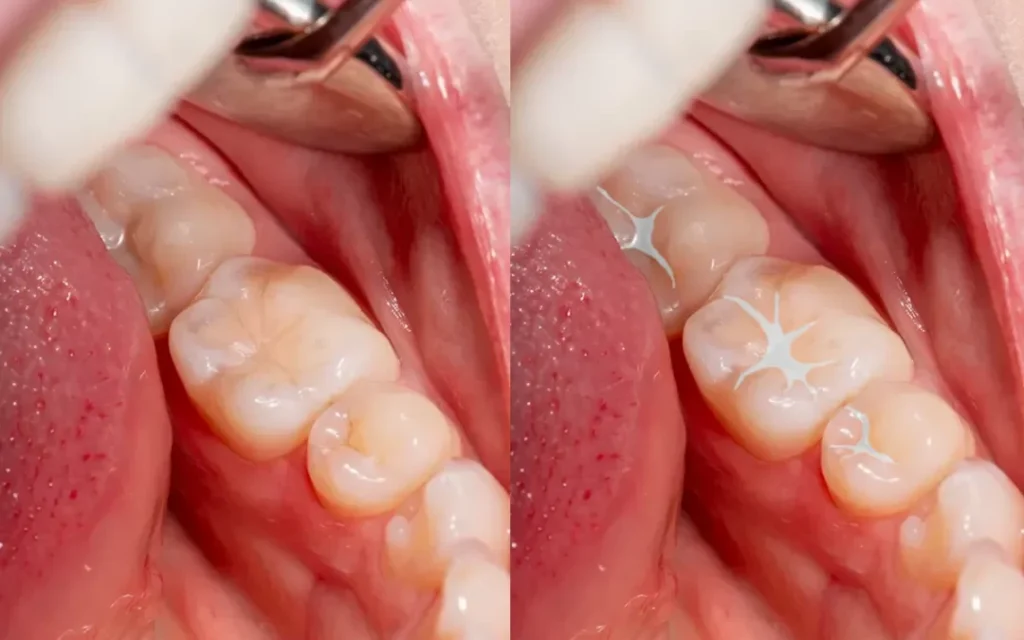
Crowns are cap-like restorations covering a damaged or weak tooth completely, restoring shape, strength, and function. They are made of metal, porcelain-fused-to-metal, ceramic, or zirconia.
Veneers are thin custom shells bonded to the front surface of teeth, mainly to improve colour, shape, or minor alignment. They require minimal tooth reduction and are usually made of porcelain or composite.
Crowns treat extensively decayed, fractured, or root canal-treated teeth; veneers are cosmetic. Both are fixed, durable, and need good oral hygiene and regular dental check-ups.
Good oral hygiene means daily care to keep teeth, gums, and mouth healthy. It prevents cavities, gum disease, bad breath, and tooth loss. Key practices include proper brushing, interdental cleaning, a healthy diet, and regular dental check-ups.
Brush twice daily with fluoride toothpaste for two minutes.
Floss or use an interdental brush daily.
Clean the tongue gently.
Use mouthwash if advised by a dentist.
Limit sugary and sticky foods; eat calcium-rich foods.
Avoid tobacco, betel nut, and alcohol.
Visit a dentist every six months.
Replace your toothbrush every three months.
A dental crown is a cap placed over a damaged or weak tooth. It helps protect the tooth, restore its shape and strength, and improve its appearance. Crowns are commonly used for broken, badly decayed, or root-treated teeth.
Usually, getting a dental crown is not painful. The dentist uses local anaesthesia to numb the tooth during the procedure. You may feel some pressure or mild sensitivity afterward, but it usually settles within a few days.
A dental crown usually lasts 10–15 years, but with good brushing, regular dental check-ups, and proper care, it can last even longer. Avoiding very hard foods and not using your teeth to open things can also help protect the crown.
Yes, veneers can be good for teeth when they are suitable for you and placed properly by a dentist. They can improve the appearance of stained, chipped, uneven, or slightly misaligned teeth.
However, veneers are mainly for cosmetic improvement and may require removing a small amount of enamel, so they are not suitable for everyone.
Yes, you can eat apples with veneers, but it’s better to cut the apple into small pieces rather than biting directly into a whole, hard apple.
This helps reduce pressure on the veneers and lowers the chance of chipping or loosening them.
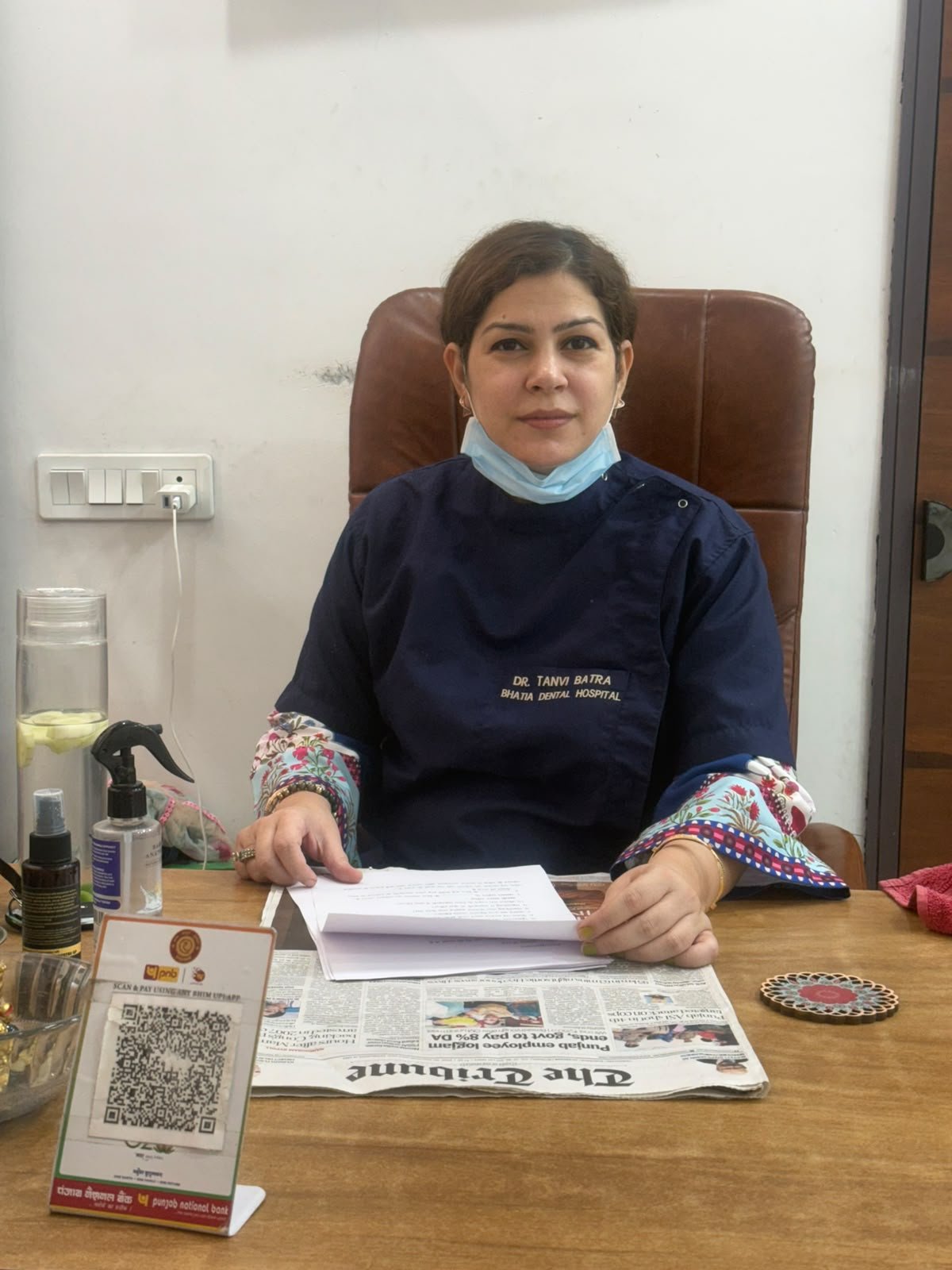
Cosmetic Dentistry
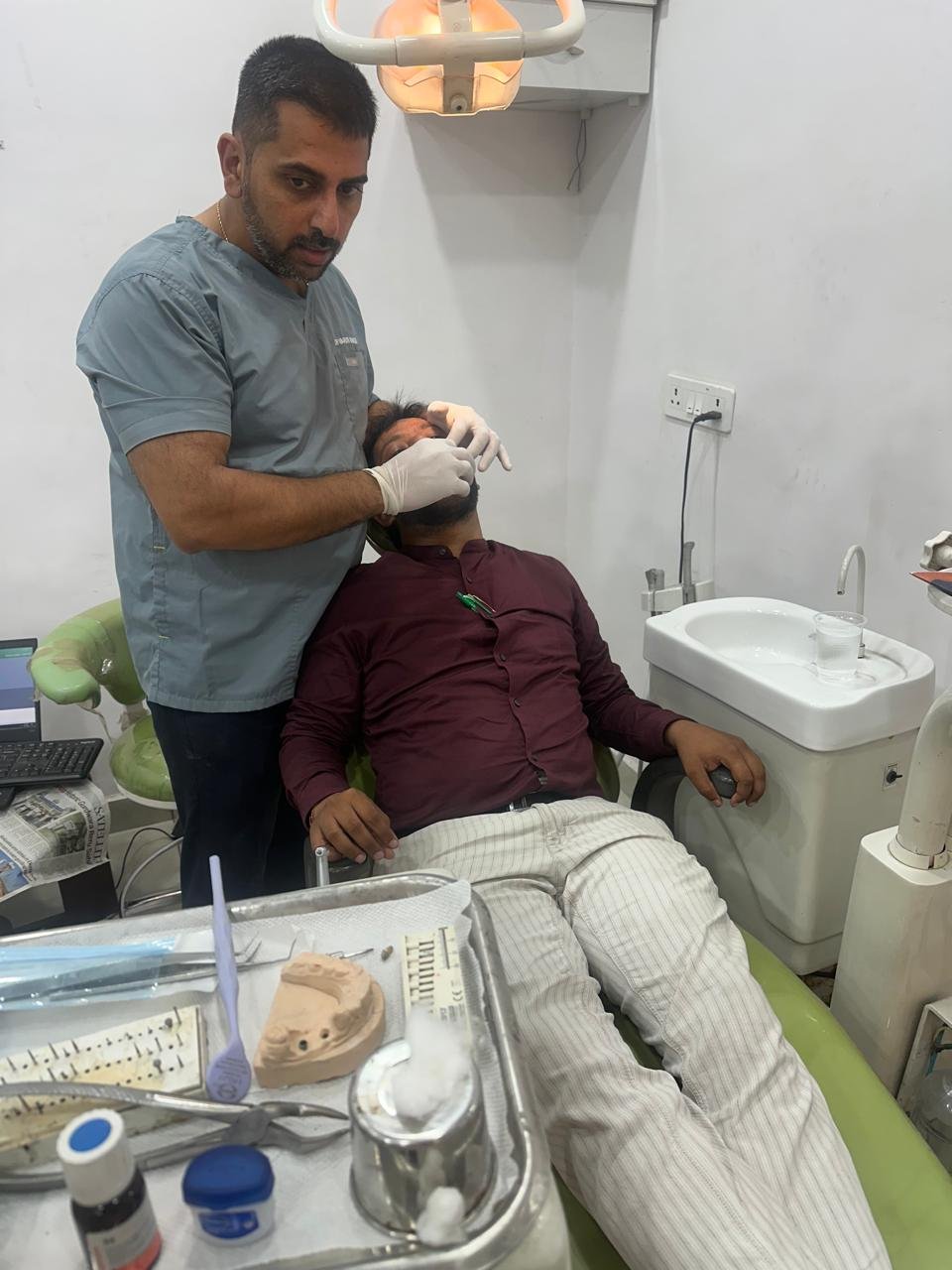
Preventive Dentistry
We understand just how closely connected oral health is to your overall health, confidence, and appearance, and we pride ourselves on cultivating a friendly, upbeat dental environment where you can always feel comfortable in our care.