Dental implant downsides: surgical risks like infection and nerve damage, higher cost, months of treatment time, and possible implant failure or fracture without proper care.

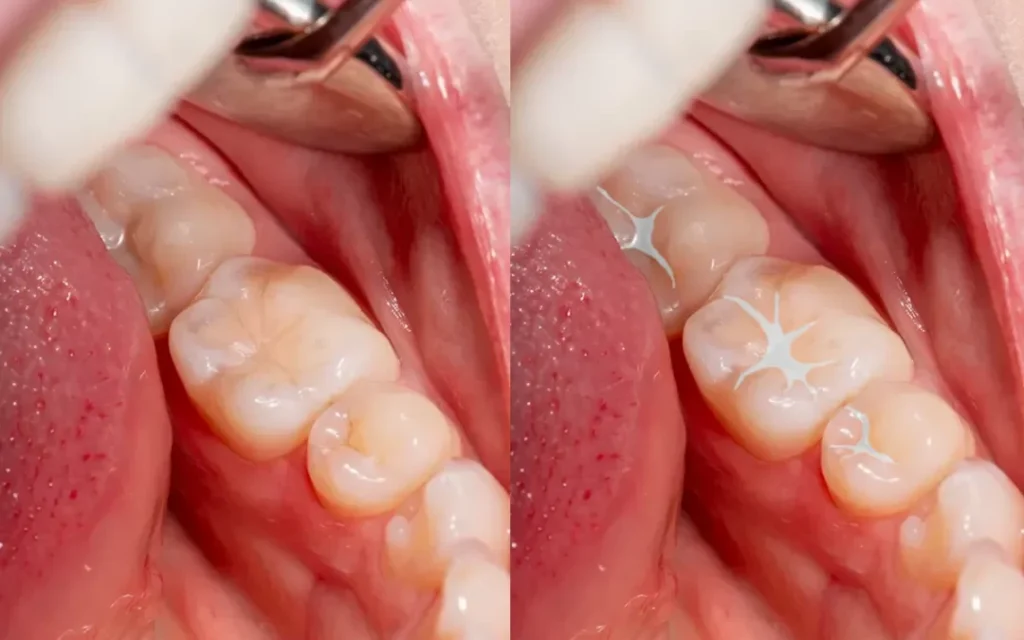
Dental implants are a modern and long-lasting solution for replacing missing teeth. They use a small titanium post placed into the jawbone to support an artificial tooth.
Dental implants can help restore normal chewing, speaking, and the natural appearance of your smile. They also provide better stability than removable dentures and can help support the jawbone.
At Bhatia Dental Clinic, dentcal implants are planned according to each patient’s oral health and needs. With proper brushing, regular dental check-ups, and good oral care, dental implants can remain strong and functional for many years.
Good oral hygiene means daily care to keep teeth, gums, and mouth healthy. It prevents cavities, gum disease, bad breath, and tooth loss. Key practices include proper brushing, interdental cleaning, a healthy diet, and regular dental check-ups.
Brush twice daily with fluoride toothpaste for two minutes.
Floss or use an interdental brush daily.
Clean the tongue gently.
Use mouthwash if advised by a dentist.
Limit sugary and sticky foods; eat calcium-rich foods.
Avoid tobacco, betel nut, and alcohol.
Visit a dentist every six months.
Replace your toothbrush every three months.
Usually, getting a dental implant is not very painful. The dentist uses local anaesthesia, so you should not feel pain during the procedure. Some swelling, soreness, or mild pain may occur for a few days afterward and can usually be managed with prescribed medicines.
Dental implants can last 15 years or longer, and many can last a lifetime with proper care. Brushing twice a day, cleaning between teeth, avoiding tobacco, and having regular dental check-ups can help keep them healthy for many years.
Dental implant downsides: surgical risks like infection and nerve damage, higher cost, months of treatment time, and possible implant failure or fracture without proper care.
Neither is always healthier. Root canals preserve natural teeth, with survival rates above 95%. Implants also exceed 95% but carry peri-implantitis risk. If a tooth is restorable, root canal is usually preferable; implants suit non-savable teeth.
Implant surgery typically takes 30 to 60 minutes per implant. Including preparation and healing time, the full process spans several months before the final crown is placed.
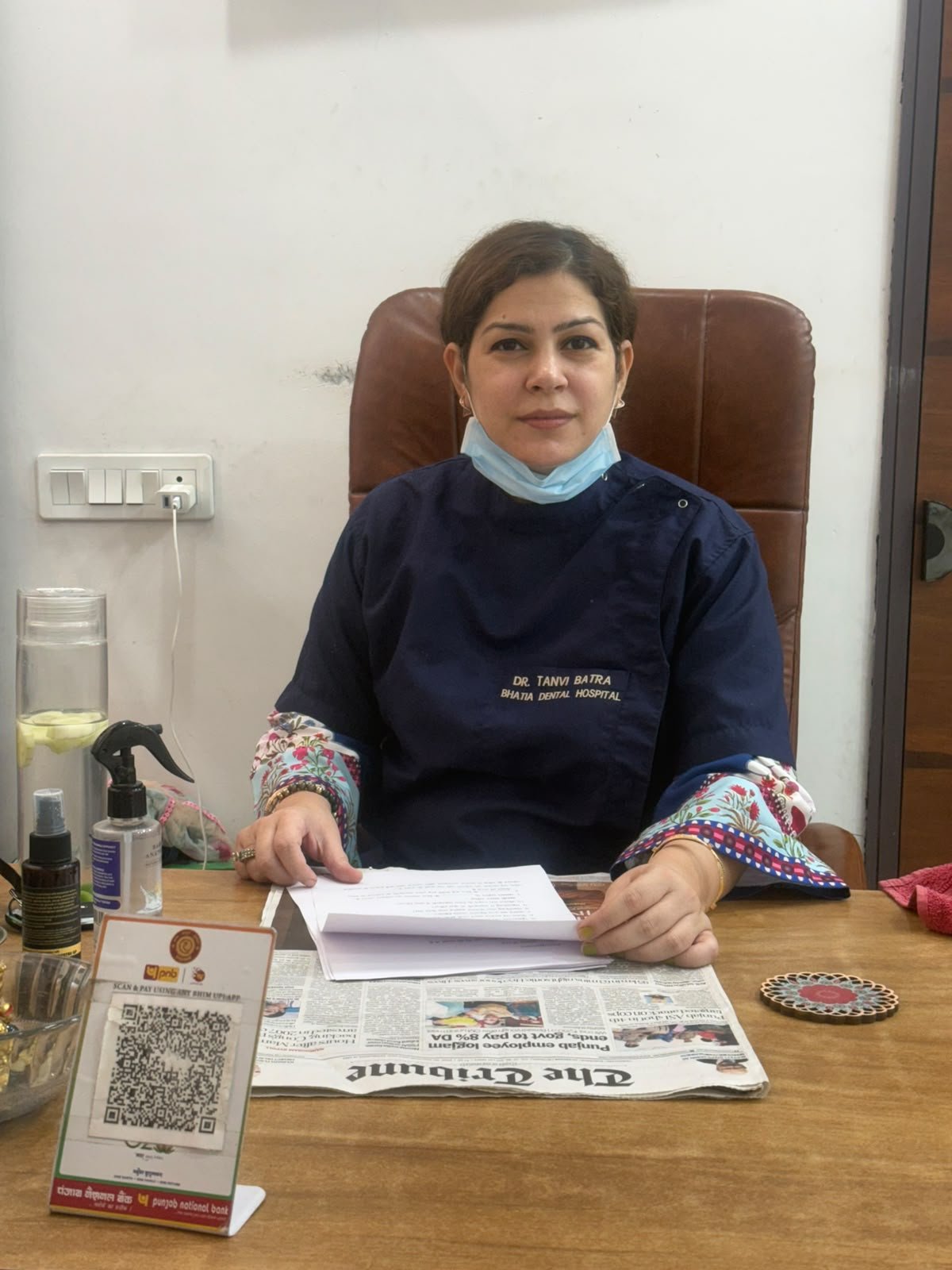
Cosmetic Dentistry
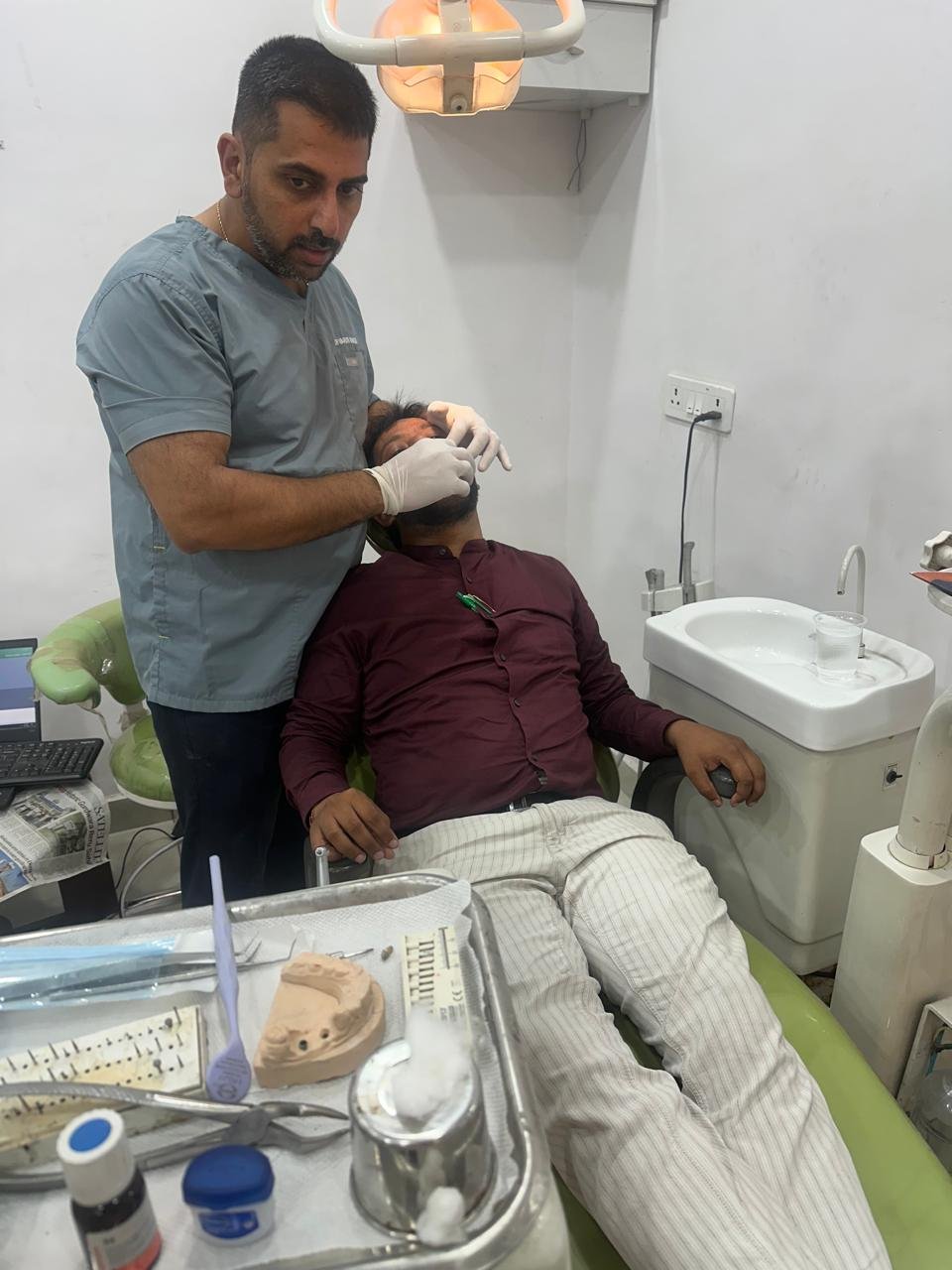
Preventive Dentistry
We understand just how closely connected oral health is to your overall health, confidence, and appearance, and we pride ourselves on cultivating a friendly, upbeat dental environment where you can always feel comfortable in our care.