
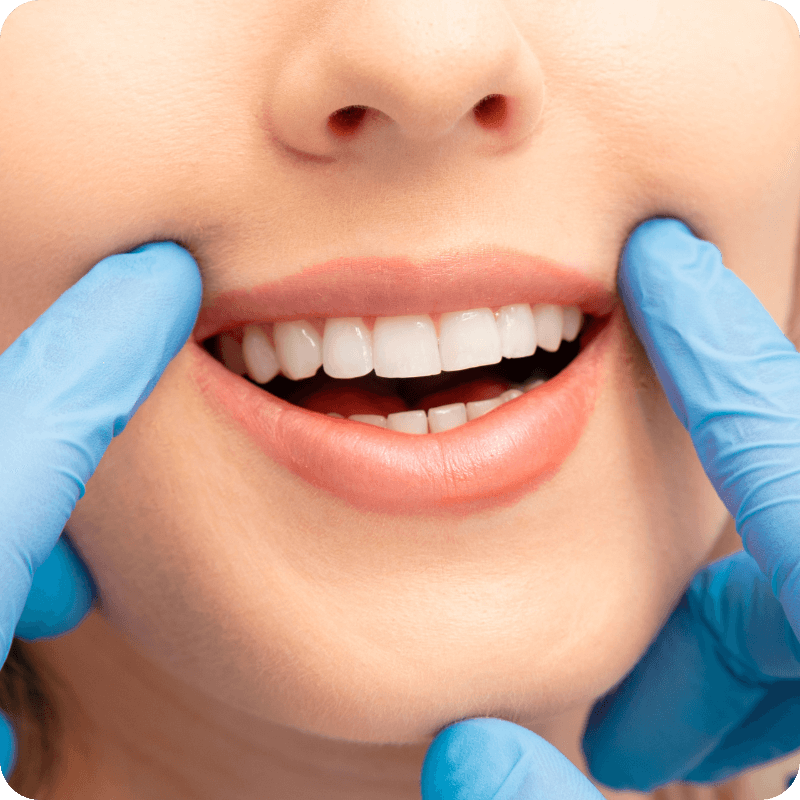
Cavities form when plaque bacteria ferment sugars, producing acids that demineralise enamel. Cavity prevention includes brushing twice daily with fluoride toothpaste, flossing, limiting sugary foods, and regular dental check-ups. Fluoride application and pit-and-fissure sealants protect teeth.
Gum care focuses on removing plaque from the gingival margin to prevent gingivitis and periodontitis. Scaling and polishing by a dentist remove tartar. Early signs include bleeding gums and bad breath. Good oral hygiene, balanced diet, tobacco avoidance, and periodic examination maintain healthy teeth and gums. These practices reduce pain, infection, tooth loss, and systemic risks, making preventive dentistry essential for overall health.
The languages only differ in their grammar, their pronunciation and their most common words. Everyone realizes why a new common language would be desirable: one could refuse to pay expensive translators.
The new common language will be more simple and regular than the existing European languages. It will be as simple as Occidental.
Yes, cavities can often be prevented with good oral hygiene and regular dental care. Key steps include:
Brush twice a day with fluoride toothpaste, Floss or clean between your teeth daily , Limit sugary snacks and drinks, Drink enough water, Get regular dental check-ups and professional cleaning, Treat early signs of decay before they become larger cavities.
If a cavity has already formed, however, it generally cannot be reversed once there is permanent tooth damage; a dentist may need to treat it.
The No. 1 cause of cavities is frequent exposure to sugars and starches, which feed bacteria in dental plaque. These bacteria produce acids that gradually damage the tooth enamel and can form a cavity.
So, it’s not just how much sugar you eat—it’s also how often your teeth are exposed to it.
Vitamin D deficiency may increase the risk of cavities, but it is not a direct or primary cause.
Vitamin D helps the body absorb calcium and supports normal tooth and bone development. Low vitamin D may affect enamel and oral health, potentially making teeth more vulnerable to decay. However, plaque bacteria + frequent sugar/starch exposure are the main causes of cavities.
So, correcting vitamin D deficiency is helpful for overall oral and bone health, but it doesn’t replace brushing, fluoride, and regular dental check-ups.
The best way to keep gums healthy is to brush twice a day, clean between your teeth daily, avoid tobacco, eat healthy foods, and visit your dentist regularly. Professional cleaning can help remove tartar and prevent gum problems.
Stage 4 gum infection is an advanced form of gum disease. It can cause swollen or bleeding gums, bad breath, loose teeth, and damage to the bone supporting your teeth. It needs proper dental treatment.

Cosmetic Dentistry

Preventive Dentistry
We understand just how closely connected oral health is to your overall health, confidence, and appearance, and we pride ourselves on cultivating a friendly, upbeat dental environment where you can always feel comfortable in our care.